‘Like who cares if you have no alcohol or no anything in your system’: Londoners embrace sober party culture
Community organizers host alcohol-free party scenes to promote sobriety, community and health
April. 10, 2026| Cynthia Jimenez
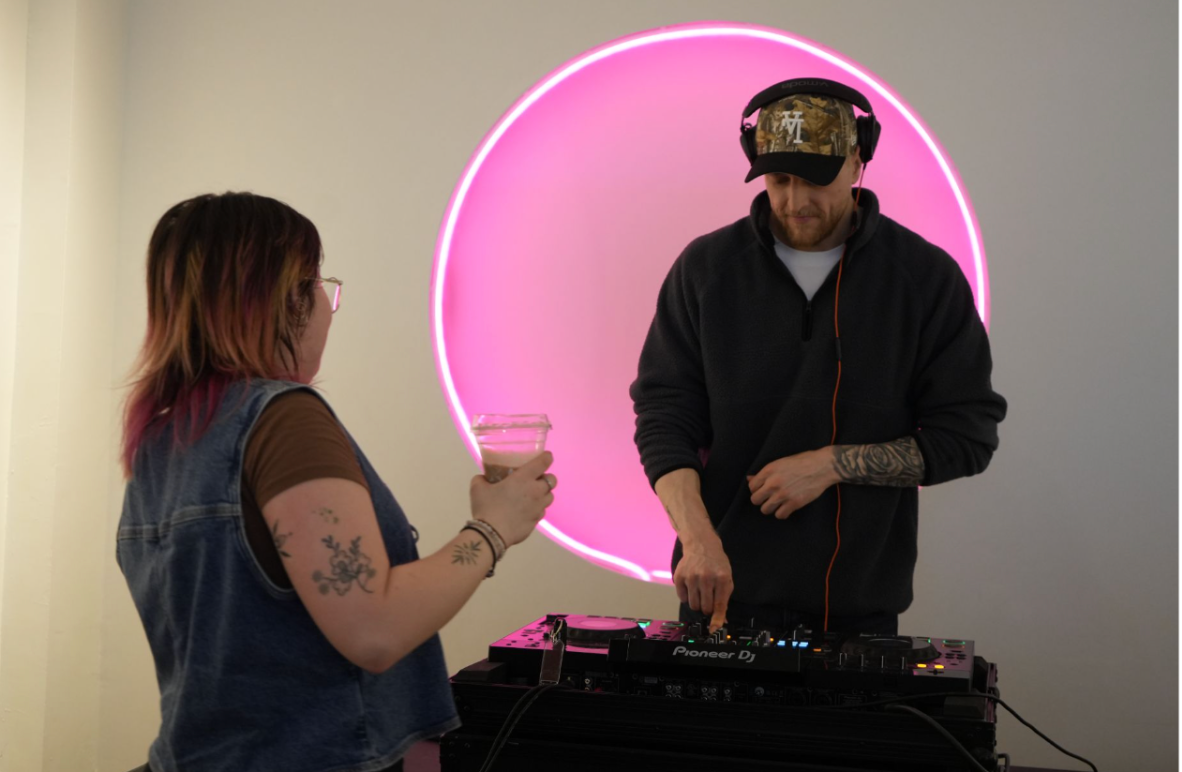
With alcohol sales decreasing across Canada, Gen Z seems to be leading the charge for a rise in a sober lifestyle. Going beyond trends like “Dry January” and sober curiosity, some young Londoners are turning away from alcohol in their day-to-day lives.
“I feel like a sober lifestyle is the way to go,” said London local, 28-year-old Brittany Hallihan, who has been sober for the past five years. Hallihan decided to go sober after starting to notice how alcohol caused “patterns in [her] life that weren't really serving [her] for the better.”
Statistics Canada found that 67 per cent of Canadians aged 18 to 22 reported not consuming any alcoholic beverages in a seven-day period.
According to Linda Stobo, the manager of comprehensive health promotion at the Middlesex-London Health Unit (MLHU), the drinking rate in the area is lowest amongst 18 to 29 year olds at around 69 per cent in the past 12 months.
“So we definitely are seeing a decrease,” said Stobo. In 2005, the drinking rate for this age group was roughly 82 per cent.
Hallihan shared she has been looking for events to attend while sober, and alcohol-free events, “Dancing is such a good outlet for my sobriety.”
Despite the city’s reputation for partying, several London-based organizations and social groups have begun curating alcohol-free social and party spaces.
For the past two years, The London Sober Connection has hosted its Sober Connection Convention, also known as “SoCon,” which includes a variety of vendors and resources for maintaining and attempting sobriety.
According to their website, London Sober Connection aims to provide community resources not just to those in recovery, but also to the “sober-curious” or those “seeking a sober-friendly environment and connection."
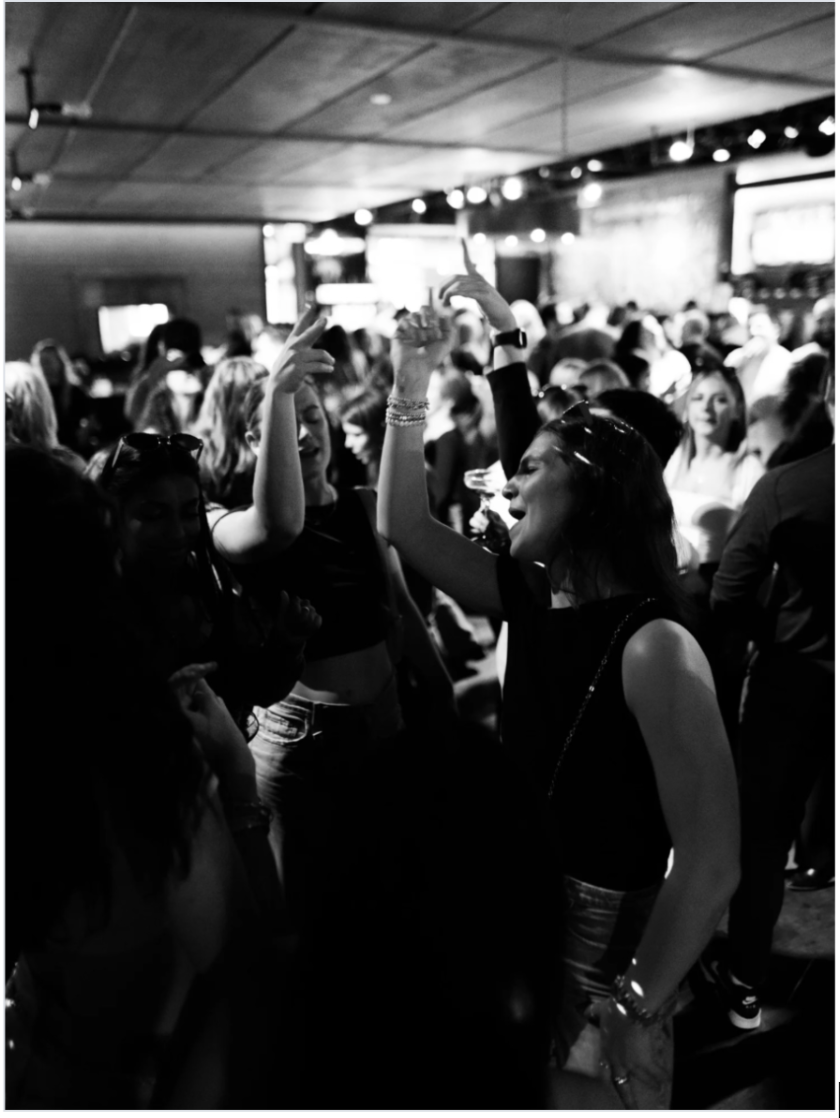
Another sober social space recently emerging in London have been coffee raves—an alcohol-free daytime alternative to traditional raves.
Since 2025, London Coffee Club has hosted eight coffee raves. According to an Instagram post, Coffee Club London describes their organization as “a vibrant community of like-minded people who want to have fun, laugh, but get to bed early & work out the next morning.”
Most recently, Studio Coffee, a local coffee shop, has hosted a series of coffee raves.
Their most recent coffee rave was hosted by Mike Ferguson, a local DJ professionally known as DJ Ferg, who has also turned to sobriety in recent years.
“I've really learned to fill my cup externally through those events as opposed to feeling like I need those extra drinks to feel that dopamine rush,” said Ferguson.
Katerina Kane, a researcher and policy analyst for the Canadian Centre on Substance Use and Addiction, said the turn towards sobriety stems from a number of reasons.
“We think maybe it's due to the economy. But we really think it's mostly people are starting to understand the effects of alcohol on their health,” said Kane.
Coffee Club London has also described their organization as “The Healthy Person’s Answer to Clubbing.”
Some also feel the need to go sober as a way to achieve more authentic connections.
“Being on a sober lifestyle, I've reconnected with a lot of friends and grown a lot of relationships,” shared Halihan.
For some, alcohol impedes their relationship with themselves.
“Alcohol really takes away our ability to connect with ourselves,” said Alexis Wild, who is an artist and the curator of The Movement—a conscious dance group that is another alcohol and substance-free social space in London.
Despite the lowering rates of alcohol consumption for youth in the Middlesex-London Area, Stobo said that the MLHU continues “to see binge drinking patterns persisting within our 19 to 29 year olds.”
According to the MLHU website, binge drinking occurs when five or more standard drinks are consumed in a short period of time.
“It’s just so widely accepted for people to overconsume, and I just wish people could feel more themselves and they don’t need to have that crutch in hand,” said Halihan.
These differences in alcohol consumption habits can be seen in London nightlife, according to Ryan Doer. Doer is a first-year student in the Ivey HBA program at Western University, and also works as a barback at a popular student bar called Delilah's.
“You definitely witnessed some crazy events and stories over the last couple of months,” he said in a written statement. “Some [people] don’t drink at all, some drink casually, and some go way above and beyond to the point where I worry about their health and safety.”
However, those in London who have embraced a sober lifestyle and social spaces are making efforts to share them with others.
Ferguson shared that his own sobriety journey inspired him to create and facilitate spaces where others can connect without alcohol.
“I’m looking at avenues for people to just go out and experience sober life, but also meet people and have a good time,” said Ferguson
Halihan emphasized the joy she derives from her lifestyle and encourages others to try it as well.
“[Dancing] sober is such a freeing feeling,” she said.
“Like, who cares if you have no alcohol or no anything in your system, just I would say, dance and dance your heart out."